

STRONG COAST CASE STUDY
Some projects find you at exactly the right moment. Strong Coast — a BC coastal advocacy group working to defend the Great Bear Sea — was one of them. I came on as Creative Director to help build a brand, a platform, and a content operation credible enough to move people from awareness to action. This is how we did it.
1. The Client + Context
Strong Coast is a BC community group with a clear mission: defend the coast from the threats quietly dismantling it — bottom trawling, poaching, overfishing, industrial pollution. #DefendOurCoast says it plainly. This isn’t abstract environmentalism. It’s about the fishing communities, marine ecosystems, and coastal economies that depend on getting this right.
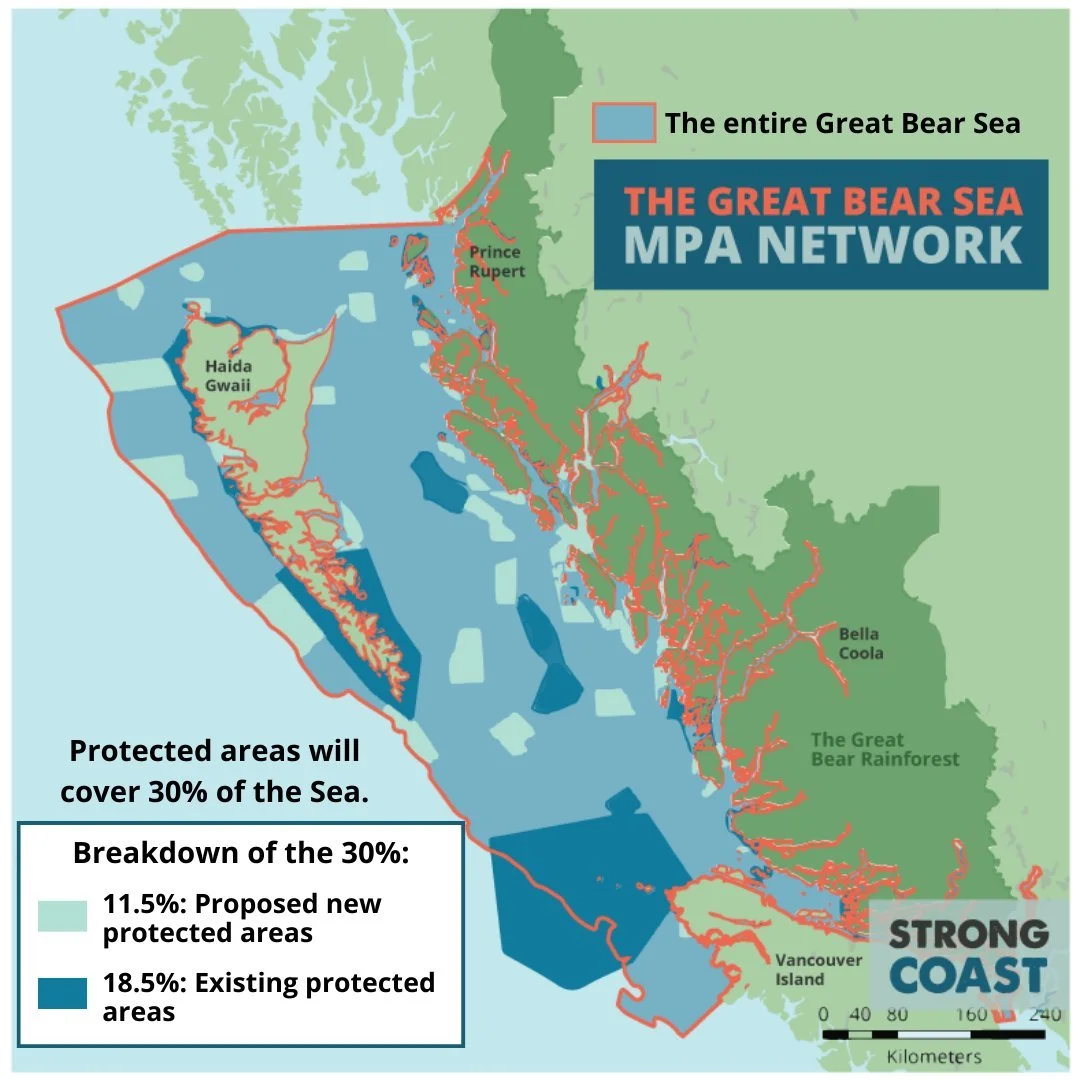
At the centre of their work is the Great Bear Sea Marine Protected Area Network: a proposed network that would protect 30 percent of the Great Bear Sea by shielding fish nurseries, feeding grounds, and productive marine habitats. The vision is restoration. Coastal communities making a good living from the sea again. Marine life returning to waters that once teemed with it.
It’s an argument that should be easy to make. The science is clear, the stakes are real, and the solutions exist. What was missing was a brand and a platform credible enough to make people stop, listen, and act.
That’s where the work began.
2. The Problem
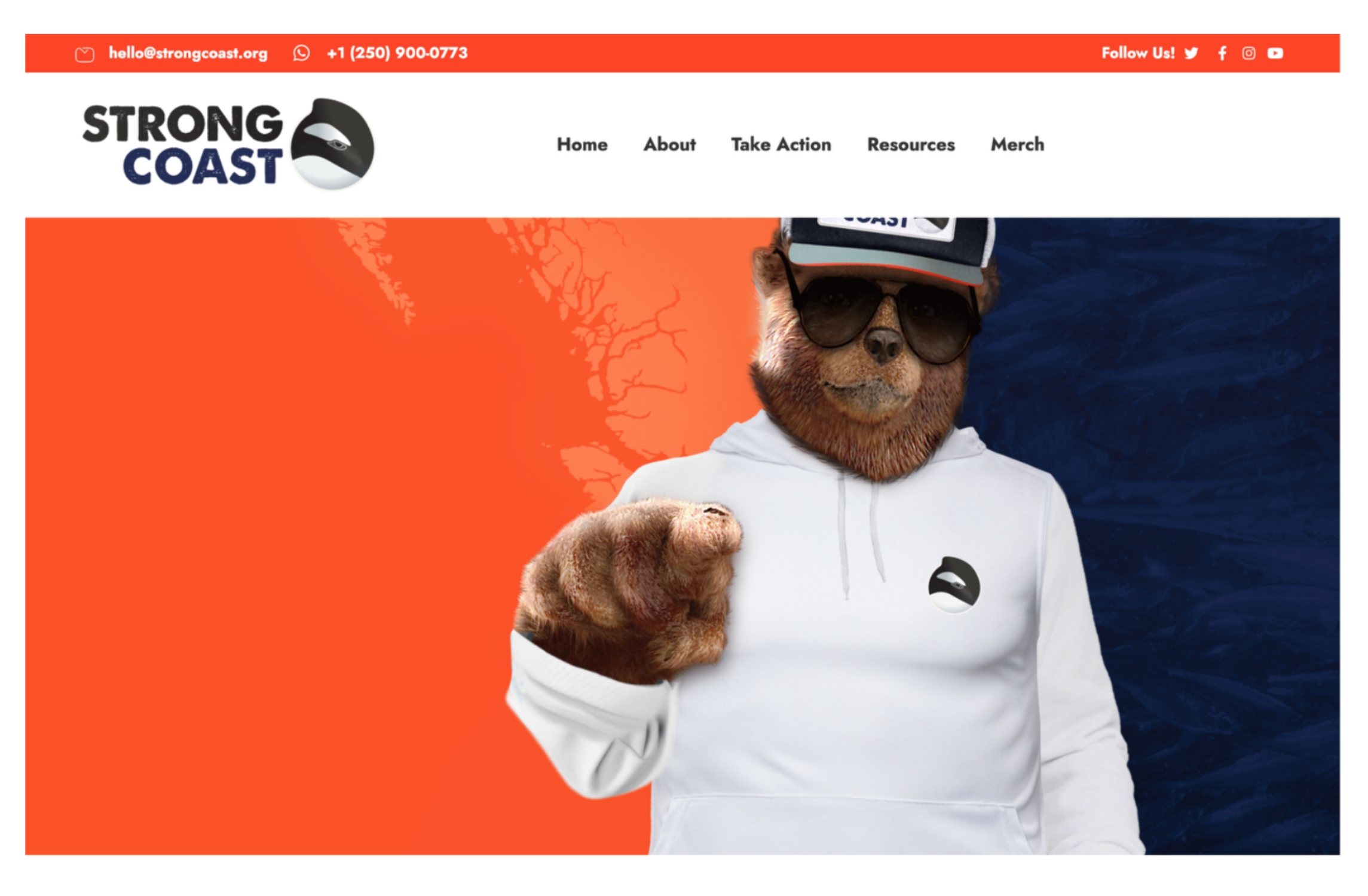
Strong Coast was doing serious work — but their brand wasn’t backing them up. The existing identity had been built in-house by a small team wearing too many hats. It wasn’t without effort, but it lacked the visual credibility the organization needed to be taken seriously by funders, partners, and the public. The look was inconsistent and unintentionally casual — the kind of brand that makes people question whether the organization behind it really knows what it’s doing. For an ocean advocacy org trying to mobilize communities and influence policy, that gap was costing them.
[THE PROBLEM]
3. MY ROLE
I was brought in by the founder — an old collaborator and friend I’d worked with more than twenty years earlier — specifically because of how I communicate. He knew my approach: values-driven, human, honest. His company held the contract for the Strong Coast campaign, and he wanted someone he trusted to help elevate and shape the narrative from the inside.
I came on as contracted Creative Director, leading a team of three designers while working in close collaboration with the editorial lead — who oversaw the journalists and content writers — and the Chief Technology Officer responsible for the website and digital architecture.
It was a genuinely integrated creative operation. While I directed the visual side, I worked in conjunction with the editorial team to develop narrative assets where copy and design had to move together — campaign messaging, mobilization content, the visual language of the storytelling itself. On the technical side, I partnered with the CTO to deliver the website and digital campaign assets, including letterwriter campaign infrastructure.
My role sat at the intersection of all three — keeping the creative vision coherent across design, editorial, and digital, from strategy through execution.
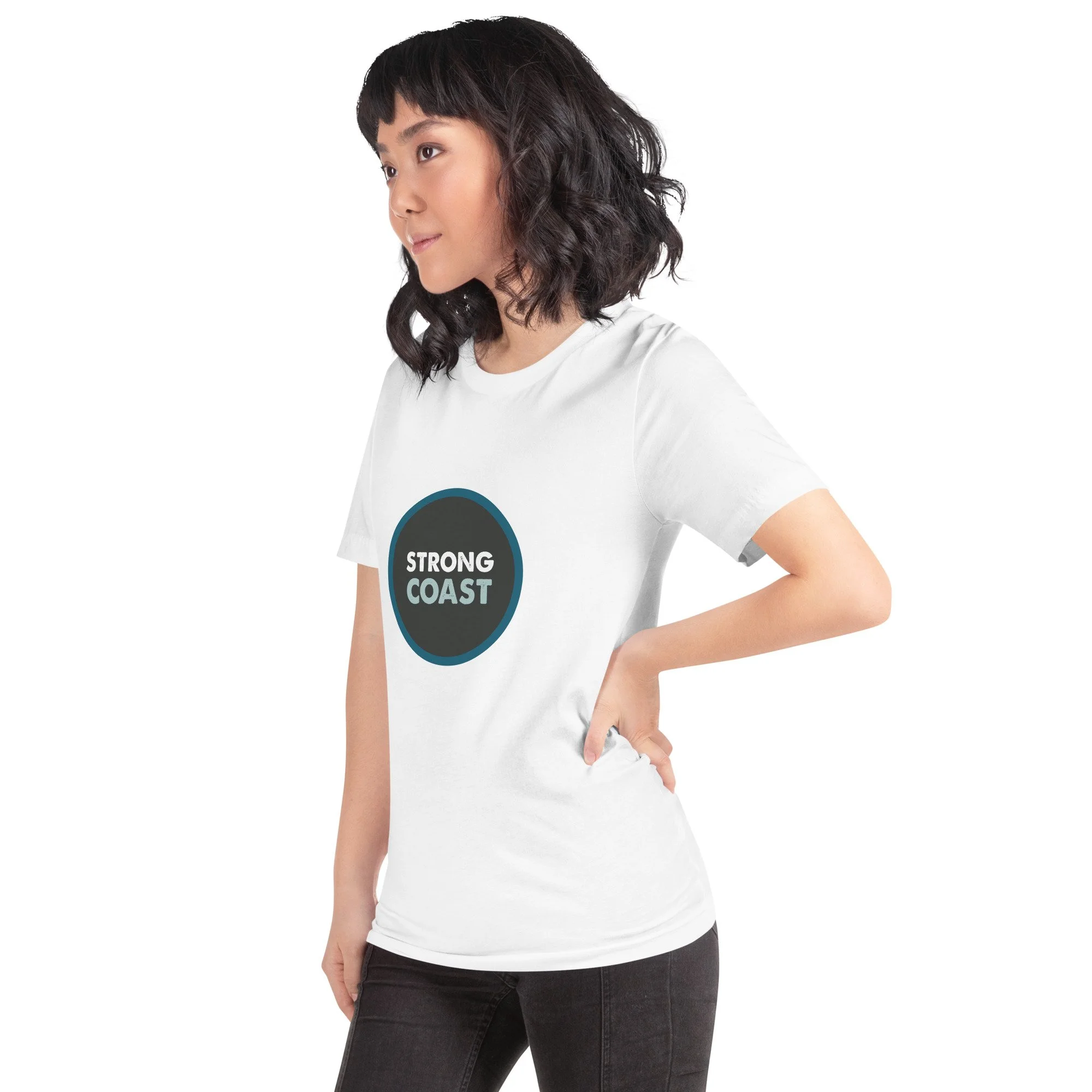
[THE REBRAND]
4. The Strategic Thinking
One of the first decisions in any rebrand is figuring out what to keep. Throwing everything out rarely serves the client — there’s almost always equity worth preserving, even in a brand that isn’t working yet.
With Strong Coast, a few things had potential. The wordmark typeface had good bones — distinctive enough to anchor the identity if treated with more intention. And parts of the colour palette weren’t wrong, just poorly paired and inconsistently applied. The work wasn’t starting from scratch; it was about elevating what existed into something that actually matched the weight of the mission.
The goal was to get Strong Coast looking like an organization that had earned its seat at the table — credible, cohesive, and unmistakably purposeful.
5. The Work
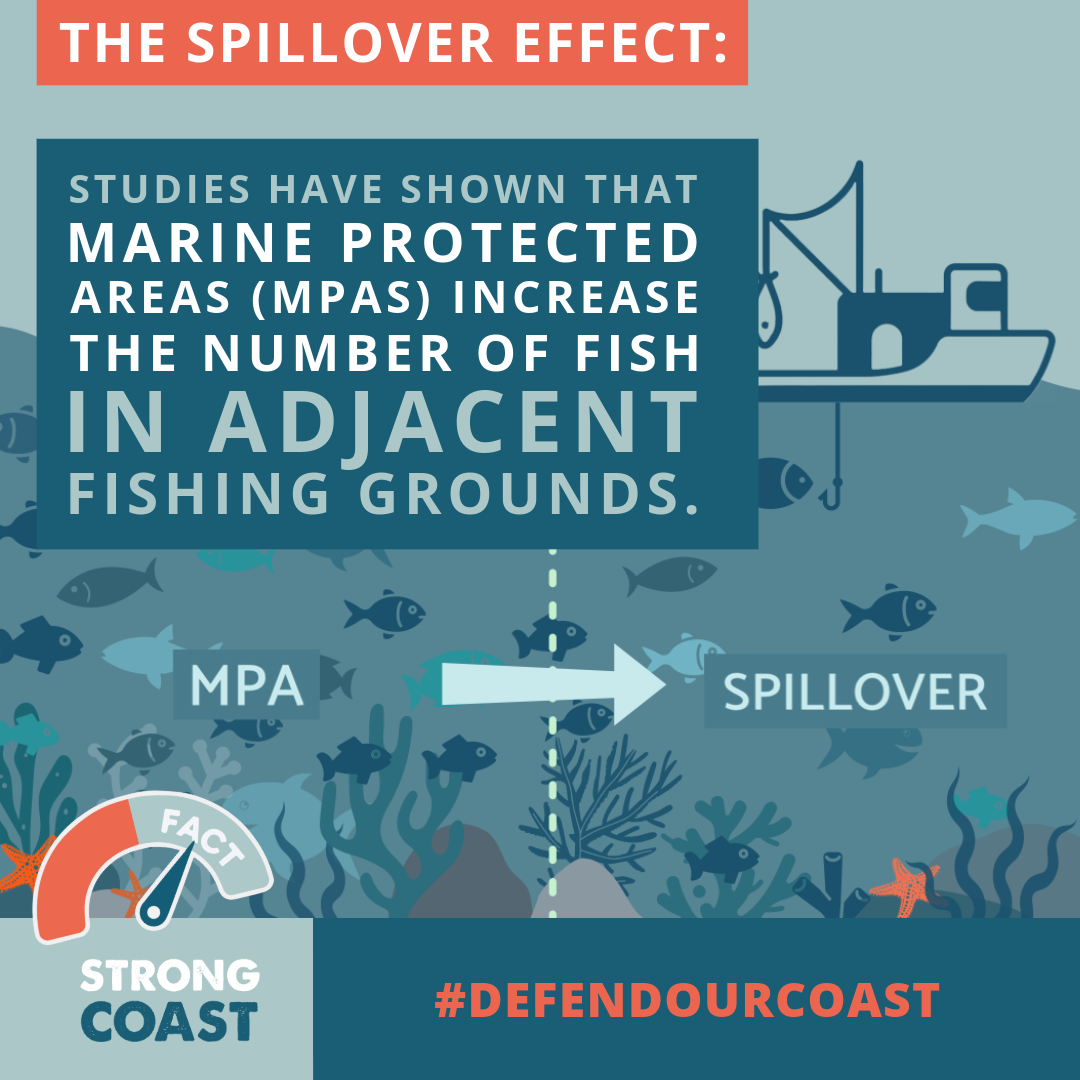
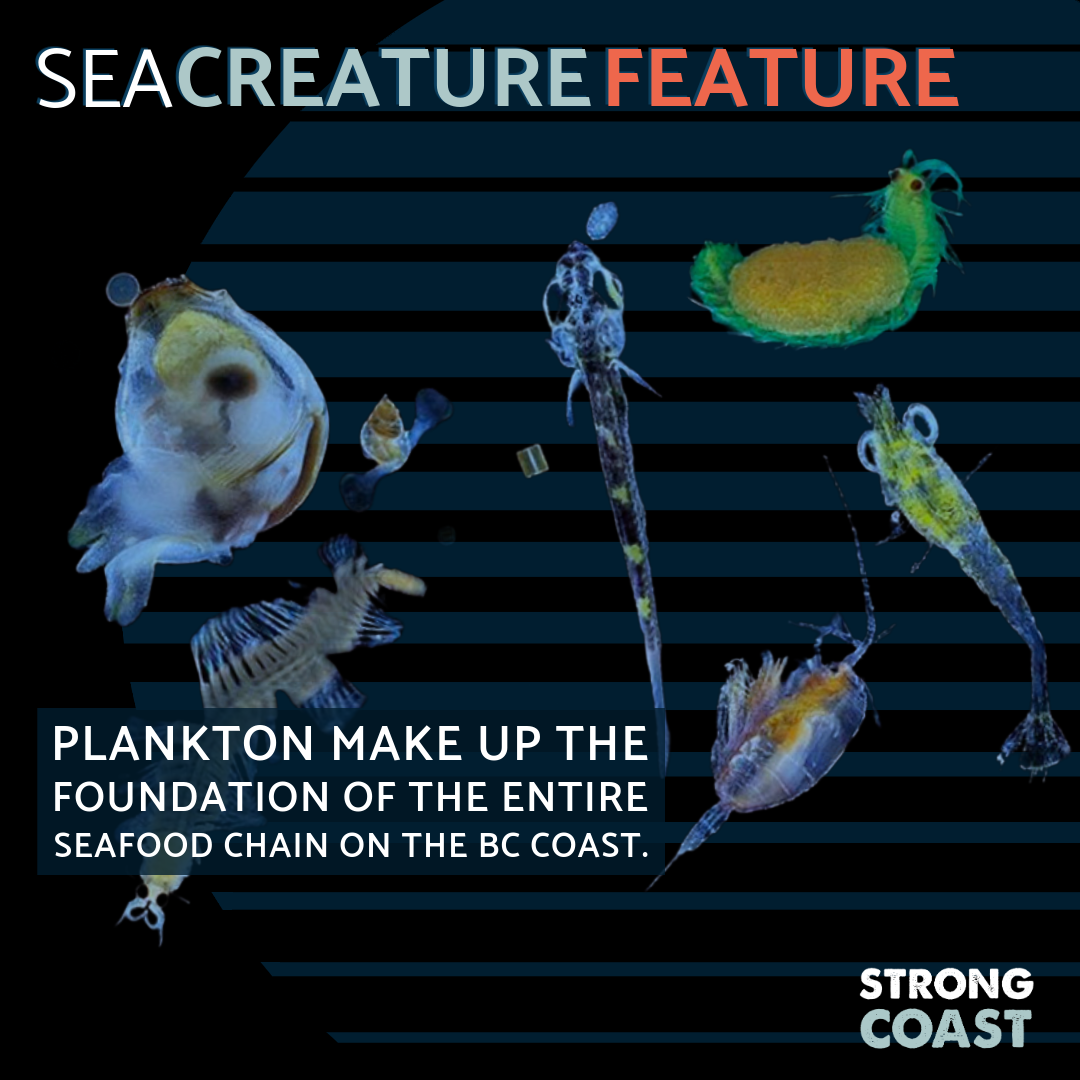
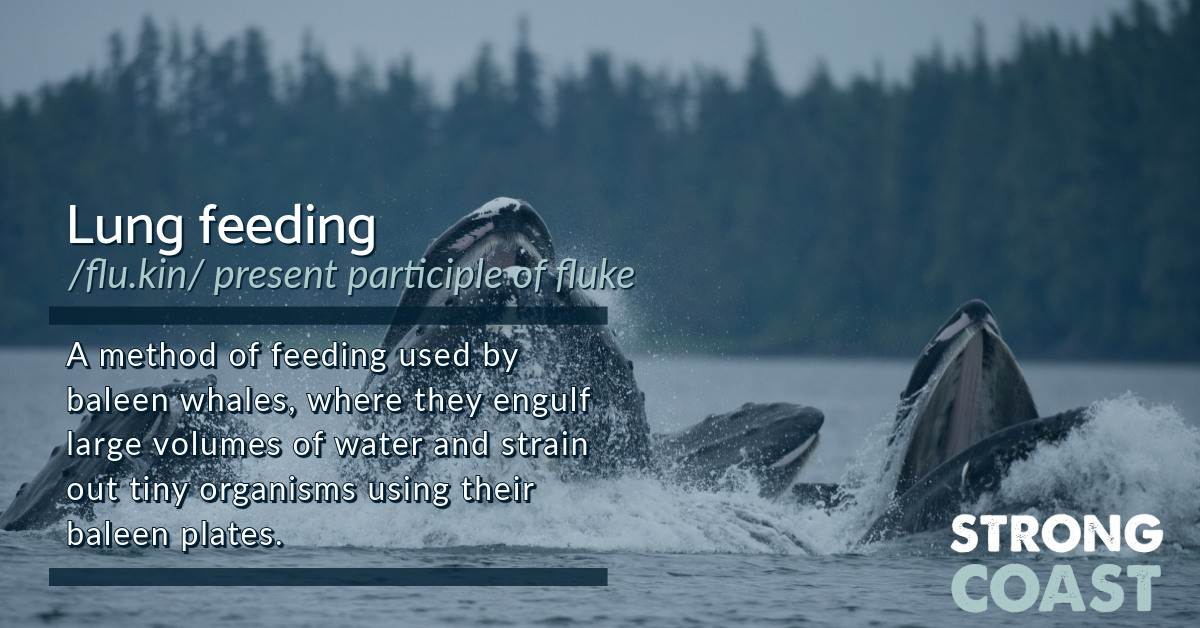
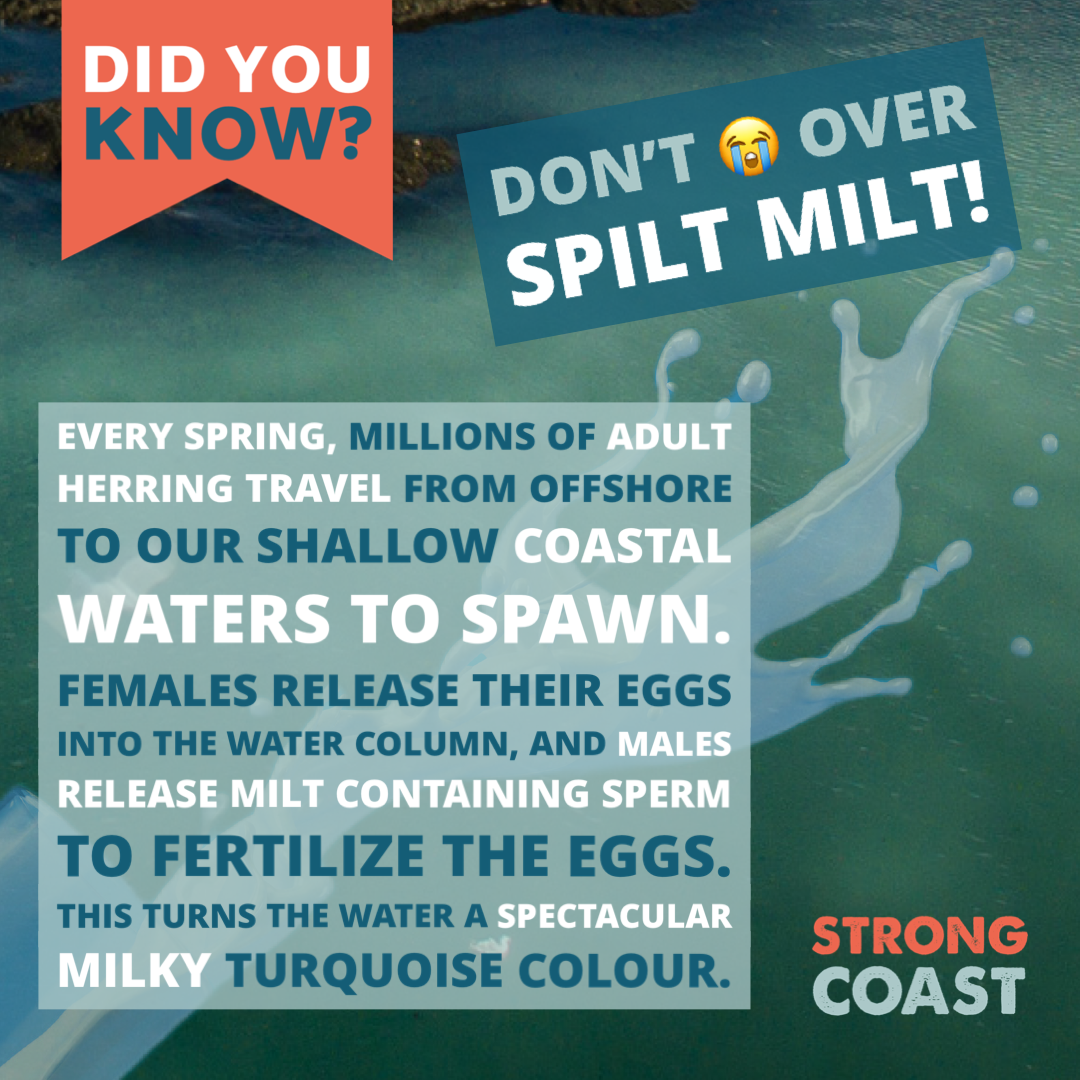
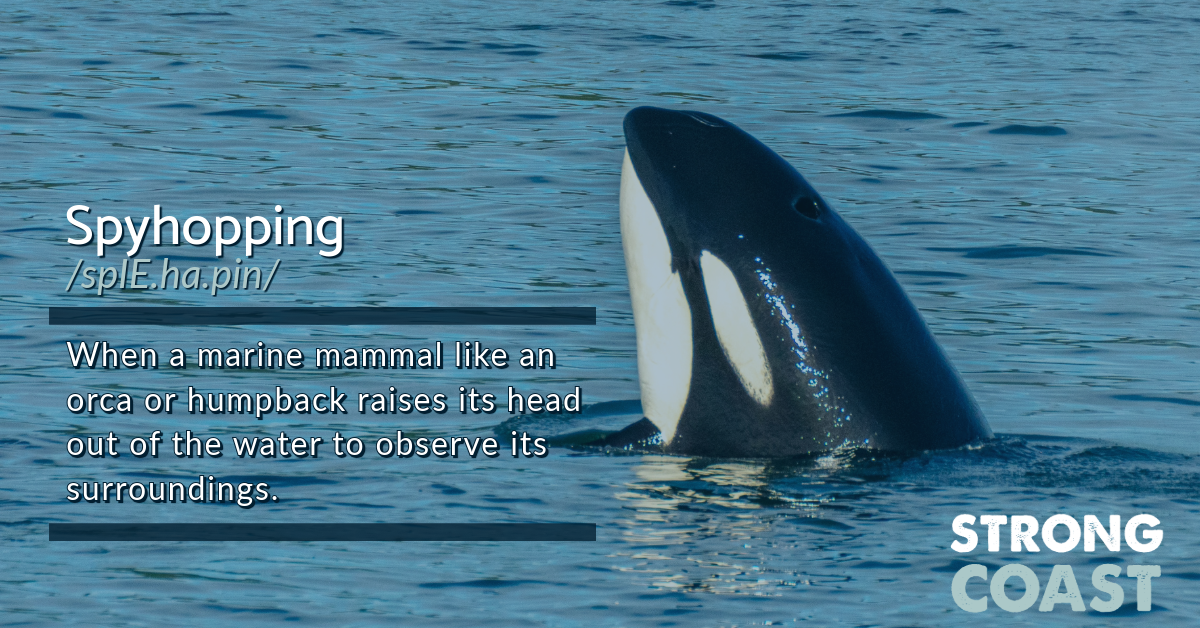
[CAMPAIGNS]The Strong Coast campaigns centred on two interconnected issues: the establishment and protection of Marine Protected Areas (MPAs) and sustainable fisheries advocacy. The challenge wasn’t a lack of evidence — the science was there. The challenge was making people care.
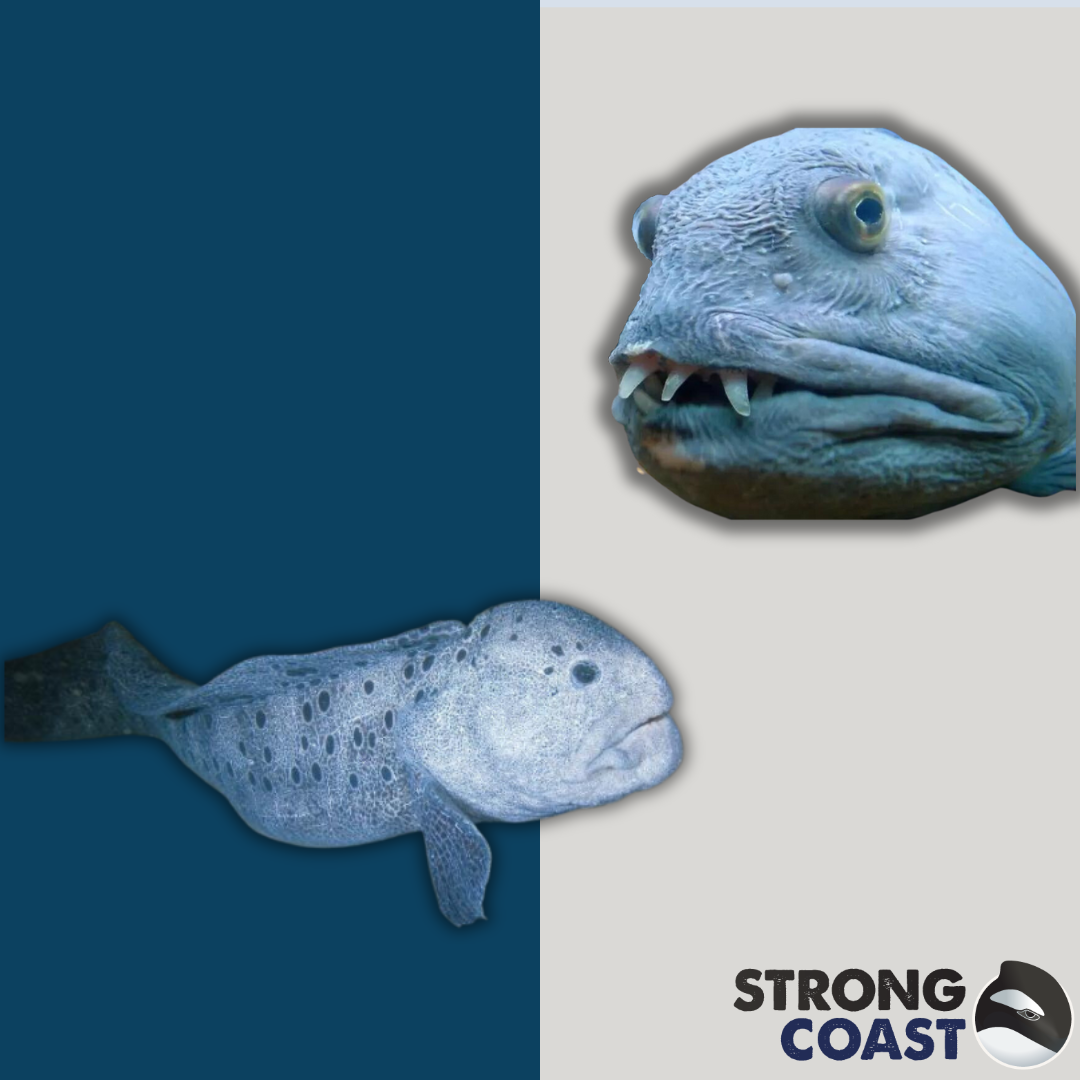
The campaigns were built around science-backed knowledge translated into language and visuals that could move a general public audience — not lecture them. We weren’t asking people to become experts. We were asking them to pay attention, and then to act.
Not all of it was planned. A significant portion of the campaign work was reactive — responding to breaking news, federal decisions, and shifting political windows with content that had to be accurate, on-brand, and emotionally resonant on a short turnaround. That kind of work demands a team that’s aligned enough creatively to move fast without losing coherence.
Central to the narrative was a framing that resisted the false choice often imposed on coastal issues: environment versus industry. Strong Coast’s position was that defending the coast is defending the fishing industry — that longevity and stewardship are the same argument. That reframe shaped everything from headline language to visual tone.
Equally important was the inclusion of Indigenous voices — not as a footnote, but as foundational. Indigenous communities are the original stewards of these waters, and their knowledge and practices aren’t just culturally significant, they’re scientifically validated best practice. The campaigns worked to reflect that honestly and with appropriate weight.
Mobilization was the end goal — giving people the information, the emotional reason to care, and a direct path to action. That included letterwriter campaigns targeting the Prime Minister, the Minister of Fisheries and Oceans, the Chair of the House of Commons Standing Committee on Fisheries and Oceans, and individual MPs — pressuring the federal government to support the Great Bear Sea Marine Protected Area Network.
[CAMPAIGNS]
5. The Work
[WEBSITE]The Strong Coast website was never meant to be a brochure. It was built to function as a credible, living resource — part newsroom, part educational hub, part mobilization platform.
The site needed to do several things at once without feeling scattered. It housed original reporting and editorial content alongside educational explainers on complex issues — not just MPAs and sustainable fisheries, but the practices actively threatening them, like bottom trawling. The goal was to give visitors the context to understand what was at stake, in language that informed without overwhelming.
Coastal community voices were woven throughout — grounding the science and policy in the human reality of people whose lives and livelihoods depend on these waters.
The Great Bear Sea MPA Network had its own dedicated presence on the site, with clear pathways to action — connecting education directly to the letterwriter campaigns and federal pressure efforts.
Beyond the campaign content, the site also served as a place-based alert and awareness resource — aggregating real-time links for marine and wildlife cams, ship and tanker traffic, weather, wildfire, and air quality monitoring. It was a deliberate design decision: connecting people to the living coast made the threats feel immediate and real, not abstract. If you could watch a tanker moving through those waters in real time, the argument for protecting them didn’t need to be made twice.
The design had to hold all of this together and still feel cohesive — authoritative without being inaccessible, urgent without being alarmist.
[WEBSITE]
5. The Work
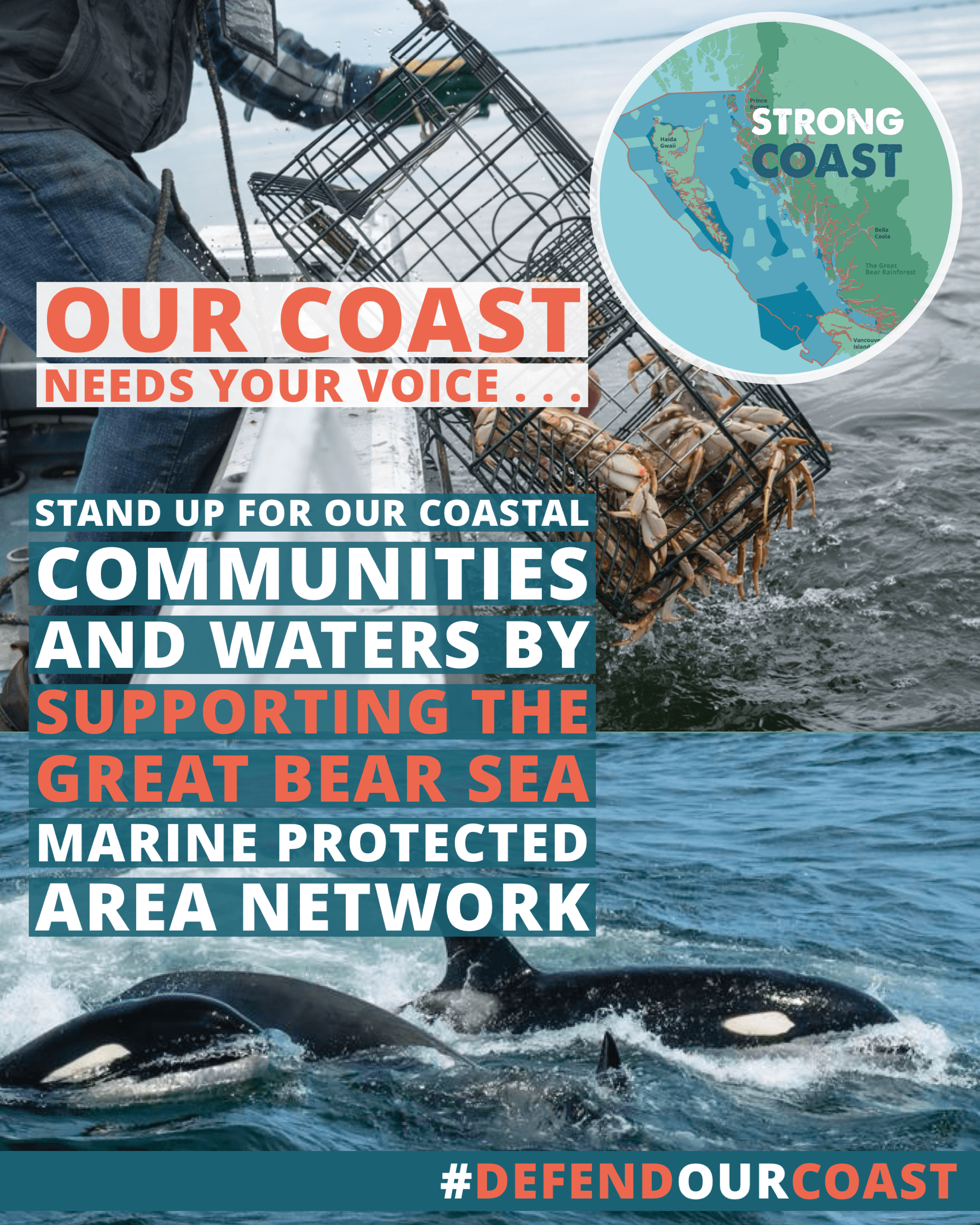
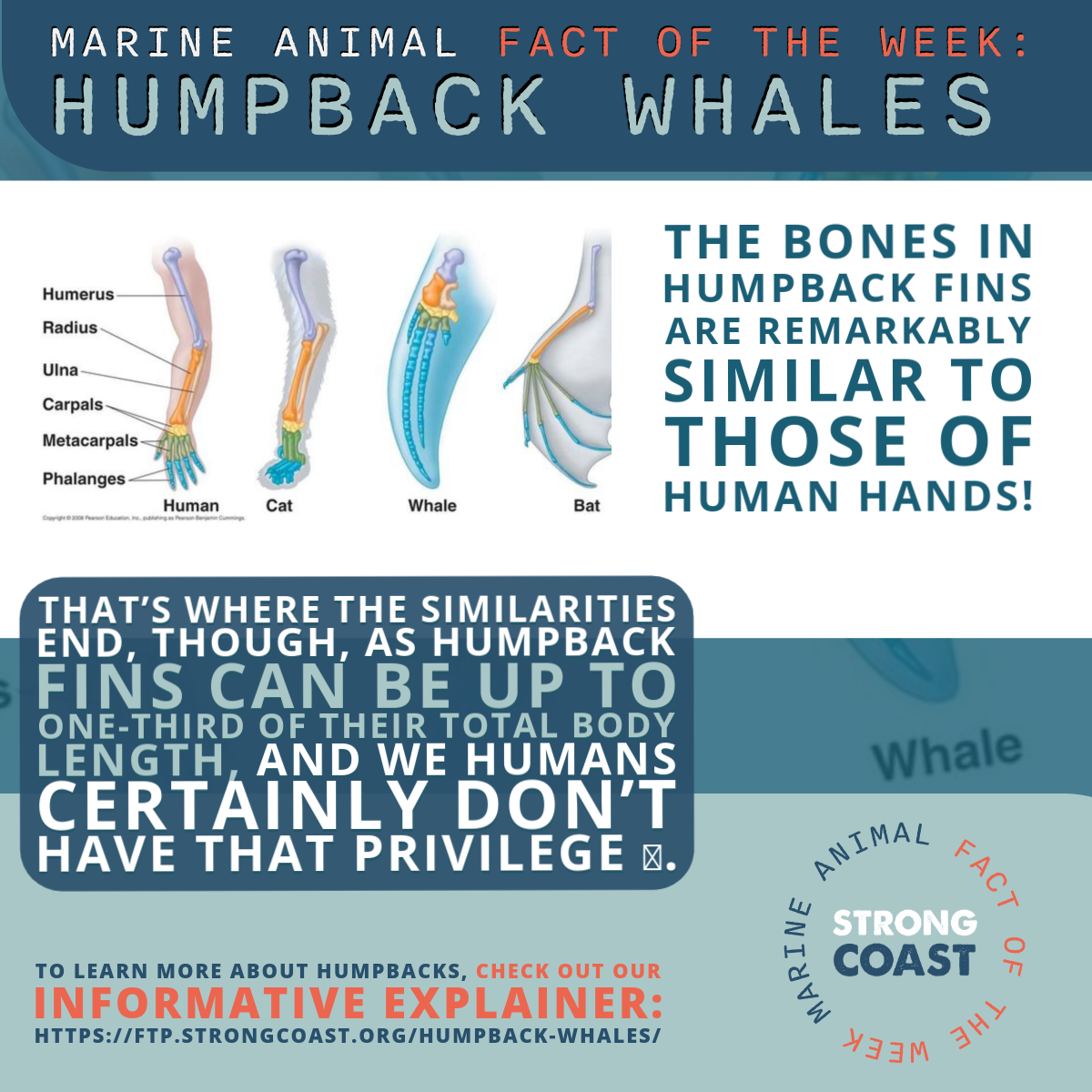
[SOCIAL MEDIA]Alongside the campaigns and website, we built and managed Strong Coast’s presence across Meta — Instagram and Facebook — with a clear strategic purpose. The goal wasn’t vanity metrics. Growing the follower base was directly tied to organizational credibility — demonstrating to funders that Strong Coast had an engaged, expanding audience that justified continued investment in the work.
A strong social following in this context isn’t just reach. It’s proof of relevance. Every follower is a signal that the mission is resonating, that the community being built is real, and that the platform has longevity. That context shaped how we approached content — not just what would perform, but what would attract and retain the right audience and deepen their connection to the cause over time.
[SOCIAL MEDIA]
6. THE OUTCOME
The results of this kind of work are rarely immediate — and the best measure of whether it held isn’t what happened while I was there, but what happened after.
When I came on as Creative Director, Strong Coast’s Facebook community sat at under 20,000 followers. By the time I left, we were approaching our target of 50,000. The count now sits at 71,000 — and climbing. The foundation held.
That’s the outcome I’m most proud of. Not the number itself, but what it represents: a brand, a platform, and a content approach built to last. This was never a solo effort — it was the product of a genuinely collaborative team, where designers, journalists, writers, and technical leads were all pulling in the same direction. What we built together was solid enough that the people who came after could keep building on it.
For an organization whose credibility with funders depends directly on demonstrated community reach, that sustained growth isn’t just a metric. It’s the mission continuing to move forward.
7. REFLECTION
This project got under my skin in the best way.
The values were ones I could stand behind completely — and that matters more to me than almost anything else when I take on work. But beyond that, it pushed me creatively in ways I didn’t expect. In a team built around journalism and current events, the creative director doesn’t just make things look good — you add your voice to the conversation. Discussions about narrative approach were genuinely collaborative, drawing on everyone’s experience and instincts to find the best path forward. I loved that. The fast-moving, news-driven environment meant complex problem solving was baked into every single day.
There was also something personally resonant about this project that I didn’t fully anticipate. As a teenager in the 90s I was a door knocker for the Sierra Club, canvassing communities about sustainable logging practices in Clayoquot Sound — going house to house, educating people about real solutions rather than environmental spectacle. The approach then was the same as it was here: meet people where they are, give them the facts, make it human, and trust them to care.
A lot of life happened between those two moments. A whole career, a different set of tools, a different kind of voice. But working on Strong Coast felt like picking up a thread I’d put down a long time ago — and doing it at a level I couldn’t have managed back then. Like doing the work I was meant to do, at exactly the right time.